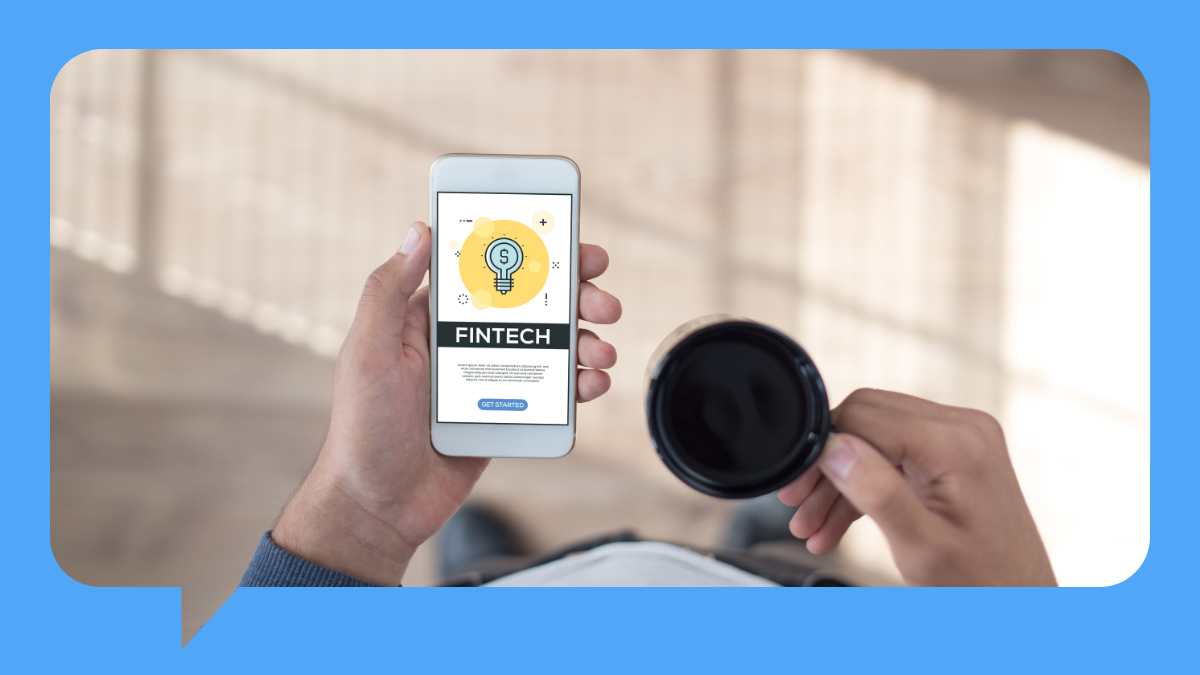











Summer is an excellent time to consider streamlining Financial Technology (FinTech) compliance processes.
The vacation season promotes a mindset of taking it easy with more straightforward approaches to everyday practices, including those on the job.
But can “easy” also apply to your company’s infosec compliance?
We think it can.
Key takeaways
This blog post provides a high-level overview of FinTech multi-framework compliance, including these key takeaways:
- Why infosec compliance is important to FinTech companies
- A breakdown of common FinTech compliance frameworks
- How to determine which compliance frameworks apply to your company
Infosec compliance matters
Earlier this year, several Thoropass team experts shared the infosec and data privacy trends they expected to see in 2024. They encouraged compliance teams to follow emerging data privacy regulations and to proactively invest in compliance programs to avoid rushing to implement practices at the last minute.
Data privacy is essential to consumers fueling FinTech industry growth. Plaid’s 2022 FinTech survey results demonstrated that 76% of Americans trust financial companies that clearly disclose their privacy practices. Your customers want to know how you uphold your privacy policies and how well their personal information is kept safe.
FinTech industry growth
According to research by global financial services provider McKinsey & Company, the number of FinTech startups valued at over $1 billion has increased sevenfold over the past five years. Despite more recent downturns, the research also projects growth in FinTech industry revenues nearly three times faster than in the traditional banking category between 2023 and 2028.
The Thomson Reuters Report: FinTech, RegTech, and the role of compliance in 2023 indicates that compliance will be an ongoing factor in the successful growth of the FinTech industry. FinTech companies can use infosec compliance to establish credibility among competitors as the industry expands.
Personal financial data rights
FinTech-backed consumer services are everywhere, ranging from food purchase apps to digital wallets, money transfer accounts, budgeting and banking programs, and even technology to pay your kids’ weekly allowance.
The Consumer Financial Protection Bureau (CFPB) issued a Notice of Proposed Rulemaking last October, and if enacted, will require financial “institutions” and other data providers to furnish consumer financial data, such as account verification information, transactions, billing details, etc., to consumers and authorized third parties, at a consumer’s request. FinTech companies must be ready to respond to these consumer requests for information securely.
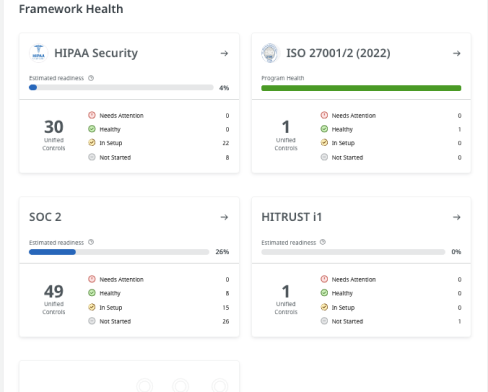
The CFPB’s proposed rule highlights the importance of several compliance frameworks, including SOC 2, PCI DSS, GDPR, and ISO 27001.
SOC 2
Service Organization Control 2 (SOC 2) framework evaluates all aspects of data security housed within a service organization and demonstrates a company’s commitment to security. A third-party audit assesses how securely a company is managing third-party data. SOC 2 has five trust services criteria (defined by the American Institute of Certified Public Accountants), including:
- Security – How do you keep my data secure?
- Availability – How do you make sure my data is available?
- Confidentiality – How do you ensure that my data is kept confidential?
- Processing Integrity – How do you process my data and make sure it’s accurate when processed?
- Privacy – How do you keep my data private, and what are the methods?